Fabric and technology
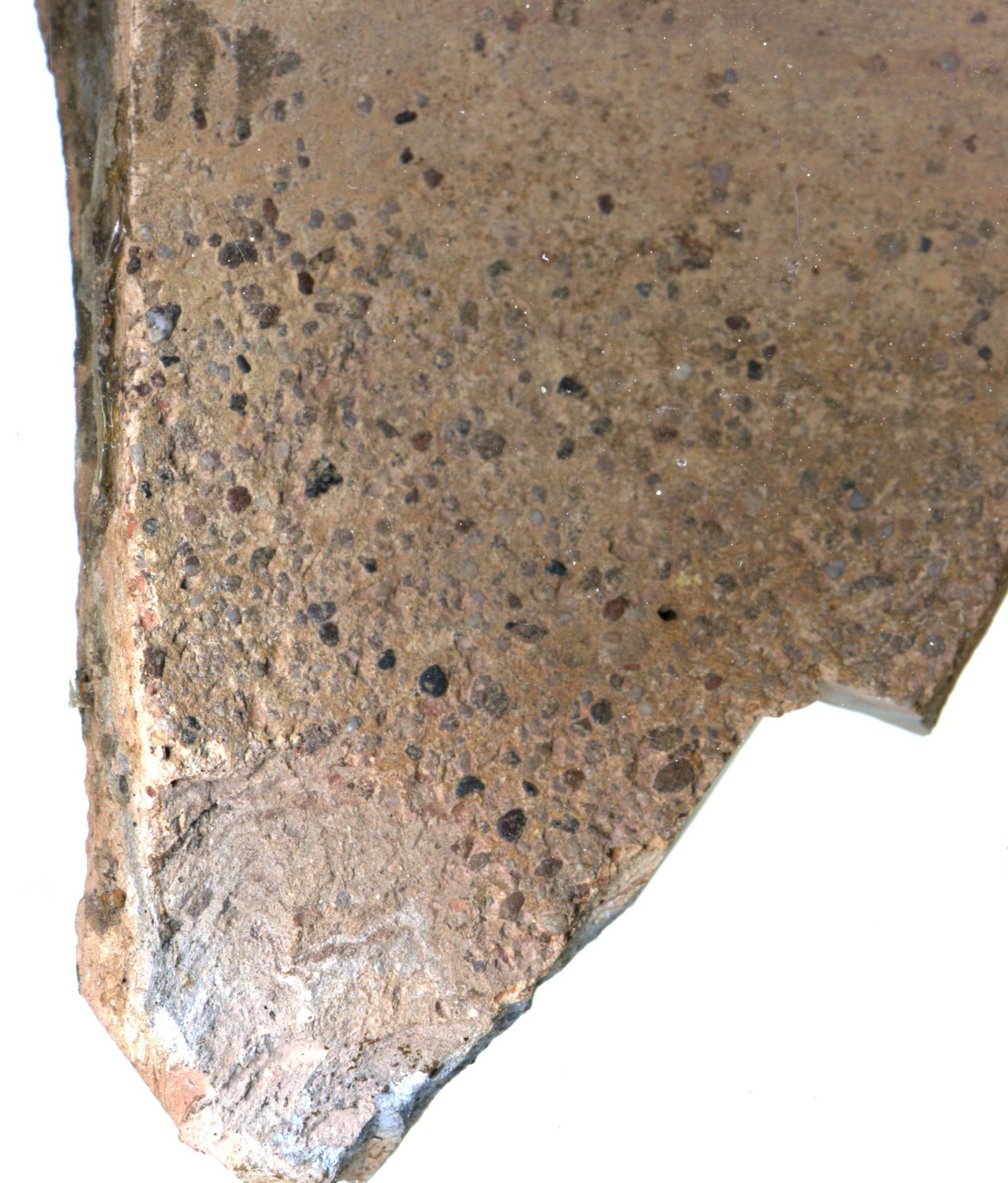
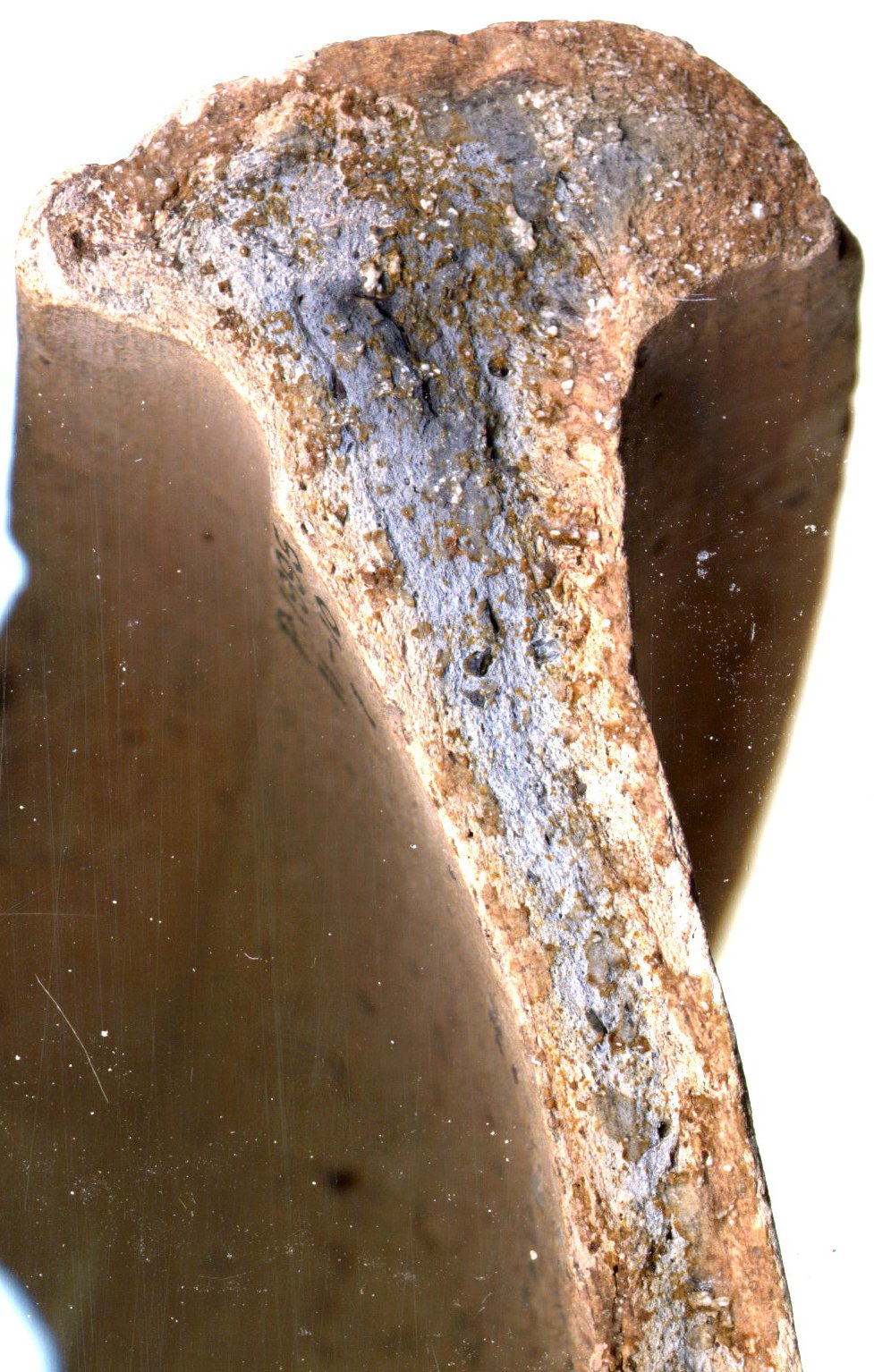
Fine-textured with slightly rough surfaces, varying from creamy-grey to pale orange or brown; inclusions of ill-sorted quartz and some rounded red-brown particles; quartz and black and red-brown sandstone trituration grit. Wheel-thrown.
Forms
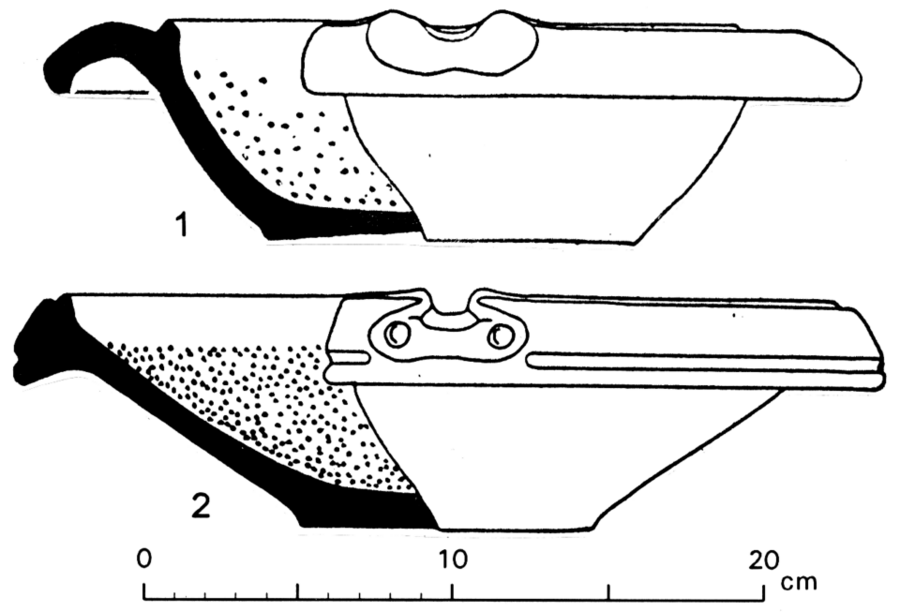
Mortaria with bead and roll flange. Gillam 242, 243, 256, 264, 266, 267.
Stamps
Several potters can be assigned to the Corbridge region on distributional grounds.
| Potter | Date | |
|---|---|---|
| ANAUS | 120-160 | |
| BELLICUS | 155-185 | |
| MARCUS (?) | 120-160 | |
| MATUTINUS | 120-160 | |
| SATURNINUS | 100-130 | |
| SULLONIAC[or N]US | 100-140 |
Table 1. Principal Corbridge mortarium potters
Chronology
2nd cent.
Source
Corbridge
Distribution
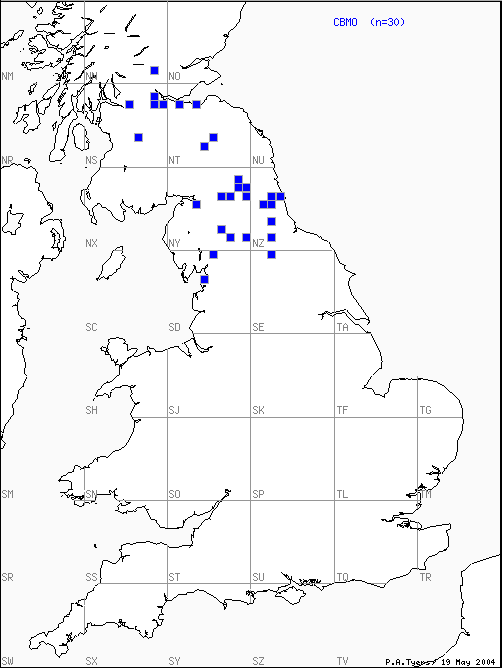
Principally Corbridge (where there are large numbers), with small numbers from elsewhere in the northern frontier zone, including the Antonine Wall.
Aliases
JRPS bibliography fabric cbm. Rough Castle mortarium fabric 3.
Bibliography
The principal potters are discussed in Bishop and Dore 1989, 265-6; MacIvor et al. 1981, 258-9.
References
Bishop and Dore 1989. Bishop, M. C. and Dore, J. N., Corbridge. Excavations of the Roman fort and town, 1947-80, Archaeological Report, 8, Historic Buildings and Monuments Commission for England, London, (1989).
MacIvor et al. 1981. MacIvor, I., Thomas, M. C. and Breeze, D. J., ‘Excavations on the Antonine Wall fort of Rough Castle, Stirlingshire, 1957-61’, PSAS, 110, (1981), pp. 230-85.