Fabric and technology
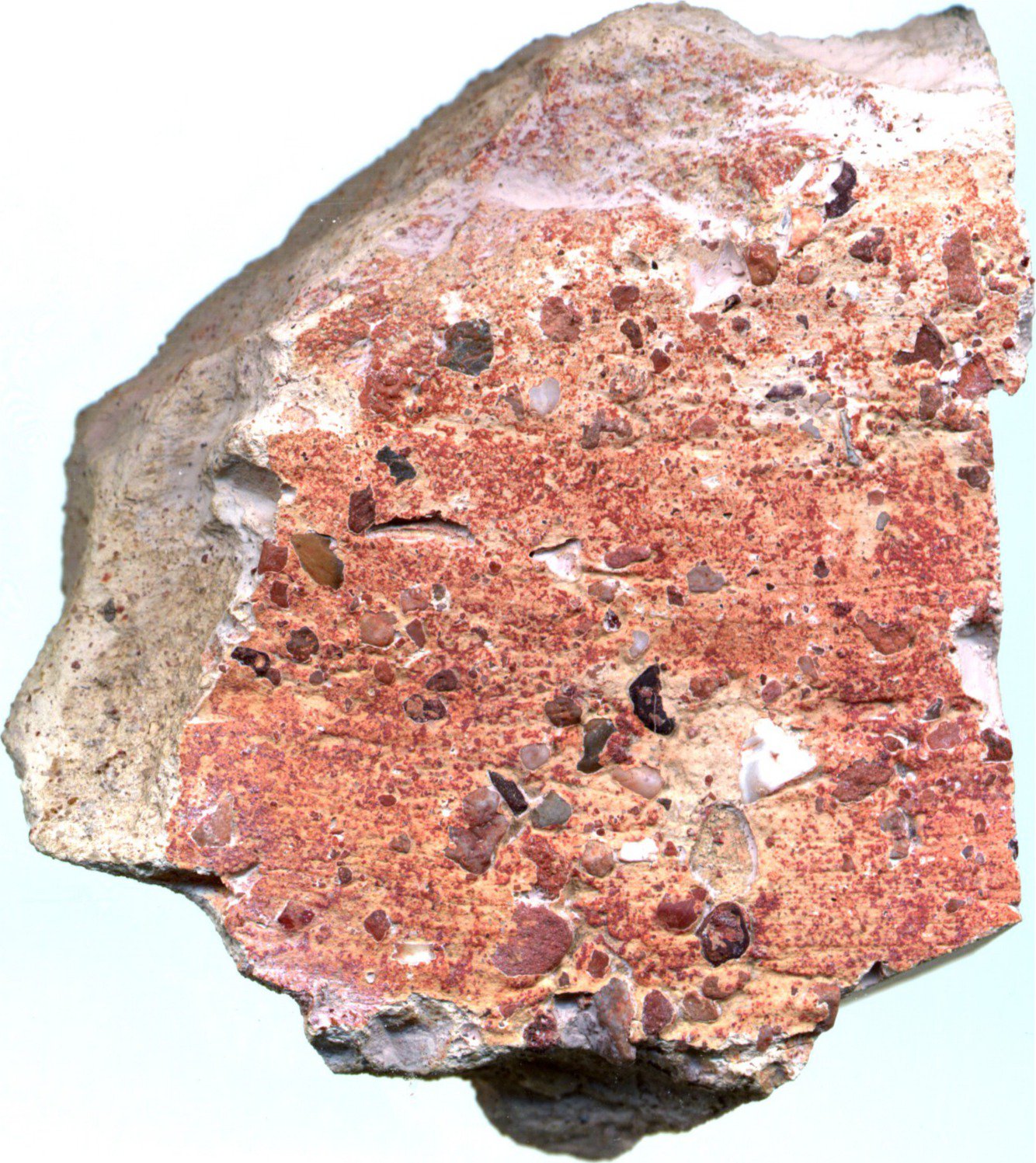
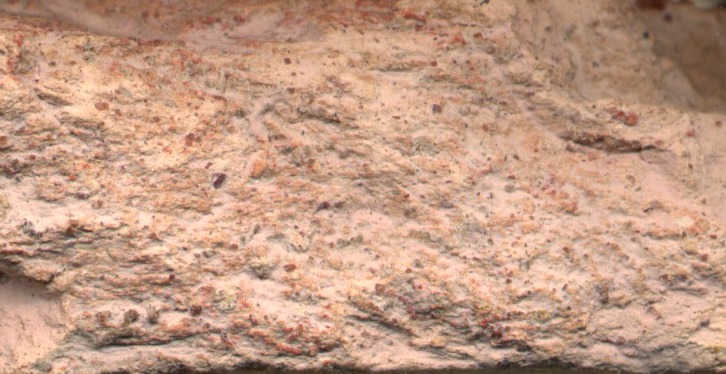
Usually hard, slightly rough fabric, varying from creamy-white (2.5YR 7/4 to 10YR 8/2) through to pink, often with a yellow or darker slip; fine quartz inclusions, slightly micaceous; gritted with ill-sorted quartz, red and black iron silicate slags and some flint. Vitalis mortaria from Technical College kiln are in a coarser, granular white fabric. Wheel-thrown.
Forms
Mortaria, with bead and roll rim or high bead and small flange, including Gillam 258.
Stamps
In addition to those represented at the kiln sites, other potters can be assigned to a Lincolnshire source on fabric or distribution.
| Name | Date | Source |
|---|---|---|
| AESICO | 140-170 | SC ? |
| ATEPACIUS | 100-150 | TC |
| BIL[I]CEDO | 140-190 | SC ? |
| BISO | 120-150? | TC |
| CRICO | 140-180 | SC |
| CUPITUS | 140-170 | SC |
| DECANIUS | 110-160 | |
| MARTIC | 100-125 | |
| Q. IUSTIUS CICO | 100-140 | |
| Q. IUSTIUS CRESCENS | 100-140 | |
| SENICO | 140-200 | |
| VITALIS i | 90-115 | TC |
| VOROLAS | 140-200 | SC |
Table 1. Principal Lincolnshire mortarium potters
Sources: SC = South Carlton, TC = Lincoln Technical College
Chronology
2nd cent.
Source
Kilns at the Lincoln Technical College site and at South Carlton.
Distribution
East Midlands, northern England, and the Scottish frontier.
Aliases
Carlisle fabric 616. Doncaster mortarium fabric 10. JRPS bibliography fabric llm.
Bibliography
RCHM gazetteer F454, F466; stamps of the principal potters described in Darling 1984, 69-73; Stead 1976, 116-26.
References
Darling 1984. Darling, M. J., Roman Pottery from the Upper Defences, Lincoln Archaeological Trust. Monograph, 16/2, Council for British Archaeology for the Lincoln Archaeological Trust, London, (1984).
Stead 1976. Stead, I. M., Excavations at Winterton Roman Villa and other sites in North Lincolnshire 1958-1967, Department of the Environment Archaeological Reports, 9, HMSO, London, (1976).