Fabric and technology
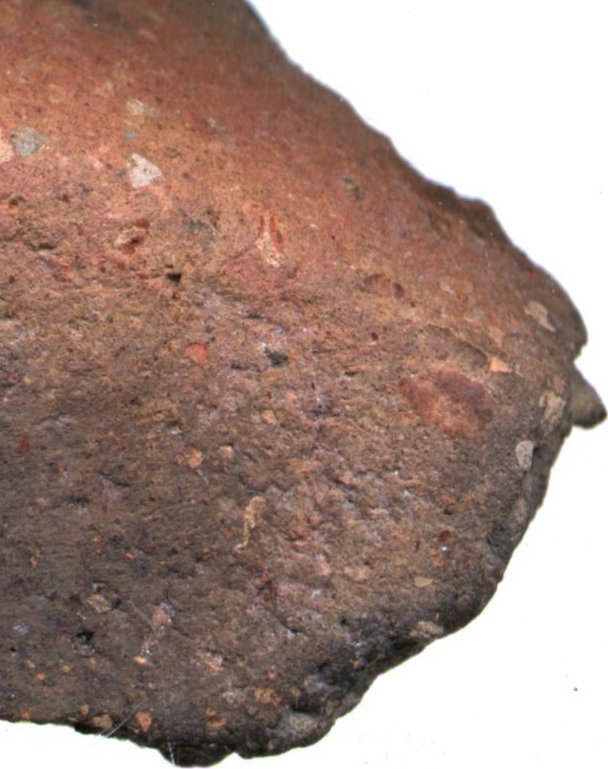
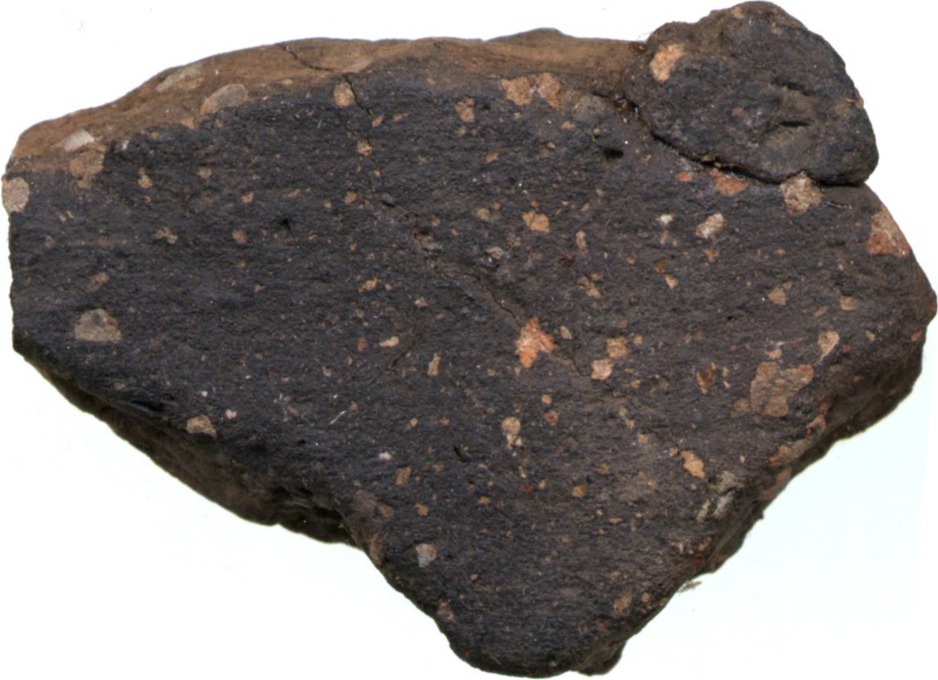
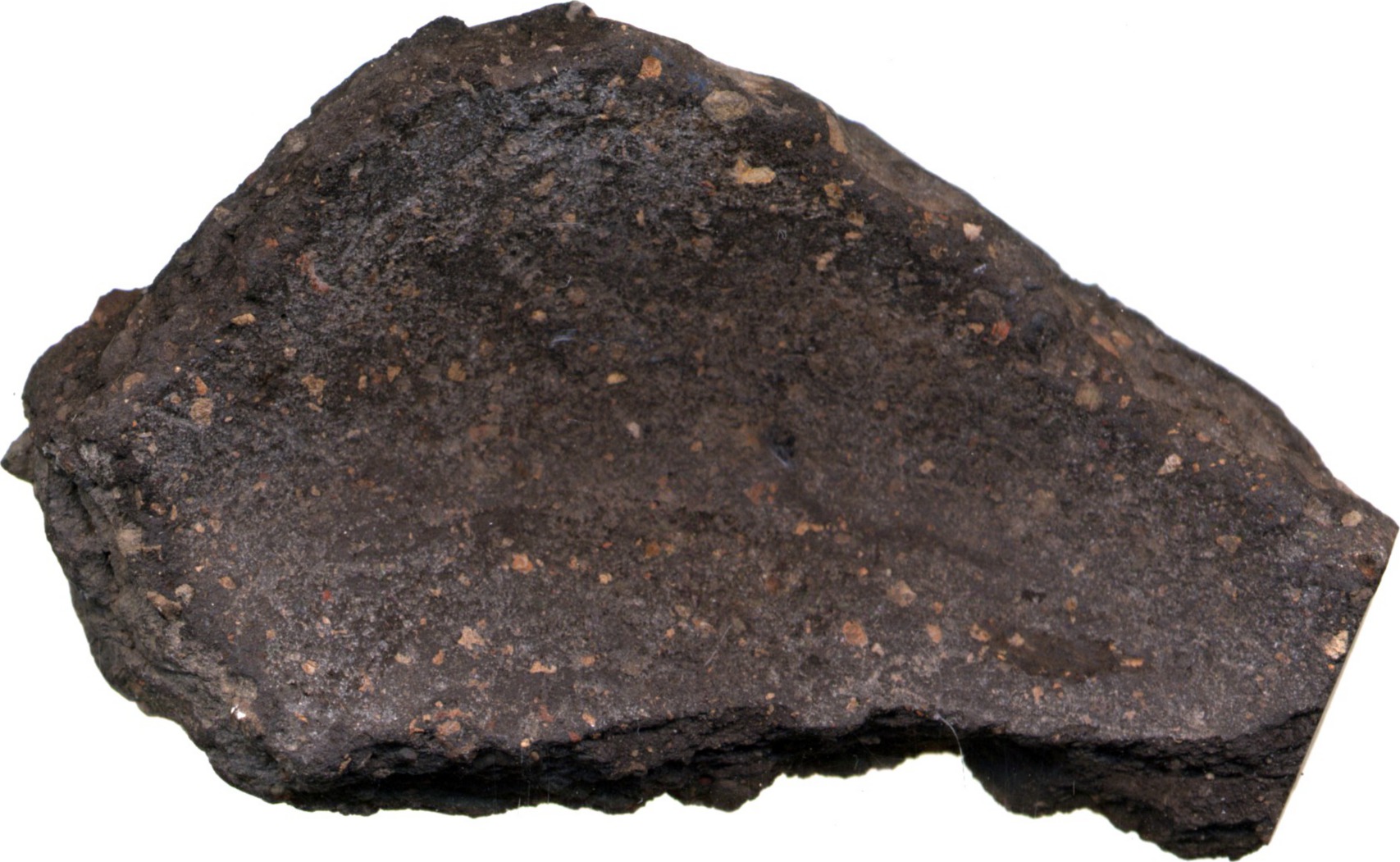
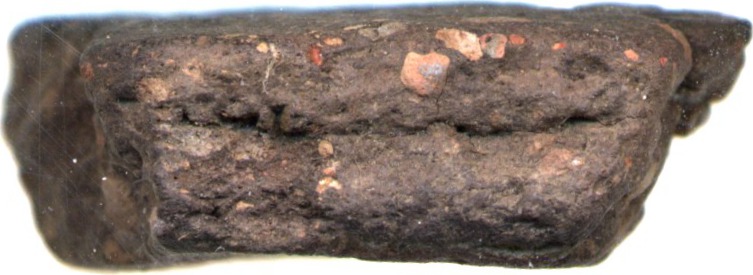
A variety of fabrics, but generally grey, brown or black with frequent inclusions of grog, sand, and occasionally flint and shell; facet-burnished or wiped surfaces, often with ‘soapy’ finish. Sometimes decorated with lattice or other lines or strokes. Hand-formed.
Forms
Forms follow the common late Roman black-burnished derived models, with flanged bowls, dishes and everted rim jars.
| Form | Portchester | Kent |
|---|---|---|
| Bowl | 86 | 205-207 |
| Dish | 107 | 204 |
| Jar | 123 | 208-211 |
Table 1. Classification of Late Roman grog-tempered forms (after Fulford and Pollard)
Chronology
From late 3rd cent. until the end of the Roman period.
Source
A number of sources; the Wessex and Kent material is generally distinguishable, but no kiln sites are known.
Distribution
Hampshire, Sussex, the London region and Kent. High proportions (up to 90%) in some late 4th cent. contexts in Kent.
Aliases
Lullingstone fabric 66. Kent coarse fabric 11b. Portchester fabric A.
Bibliography
Fulford 1975, 286-92; Pollard 1988, 129, 149-50. Quantified data in Pomel 1984.
References
Fulford 1975. Fulford, M. G., ‘The pottery’ in Excavations at Portchester Castle. Volume I: Roman, ed. B. W. Cunliffe, Reports of the Research Committee of the Society of Antiquaries of London, 32, Society of Antiquaries, London, (1975), pp. 270-367.
Pollard 1988. Pollard, R. J., The Roman pottery of Kent, Monograph series of the Kent Archaeological Society, 5, Kent Archaeological Society, Maidstone, (1988).
Pomel 1984. Pomel, M. G., ‘A study of later Roman pottery groups in Southern Britain: fabrics, form and chronology’, M. Phil. thesis, Institute of Archaeology, University of London, (1984).